

Inspecting a newly purchased multiwire machine is a crucial step to ensure its optimal performance and longevity. As a multiwire machine supplier, I understand the significance of a thorough inspection. This blog post aims to provide a comprehensive guide on how to inspect a newly purchased multiwire machine.
Pre - inspection Preparations
Before diving into the inspection process, it is essential to gather the necessary tools and materials. You will need a set of basic hand tools such as wrenches, screwdrivers, and pliers. Additionally, having a multimeter for electrical checks, a torque wrench for ensuring proper bolt tightening, and a magnifying glass to check for small defects can be very helpful.
Familiarize yourself with the machine's user manual. The manual contains detailed information about the machine's components, specifications, and recommended inspection procedures. It also provides safety guidelines that you must follow during the inspection.
External Inspection
The first step in the inspection process is the external inspection of the multiwire machine. Start by visually examining the machine's overall appearance. Look for any signs of damage during transit, such as dents, scratches, or bent parts.
Check the frame of the machine. It should be sturdy and free from cracks. A damaged frame can affect the stability of the machine during operation, leading to inaccurate cuts and potential safety hazards.
Inspect the wire guides. The wire guides are crucial for the proper movement of the cutting wires. They should be smooth and free from any blockages or debris. Any damage to the wire guides can cause the wires to break or malfunction, reducing the efficiency of the machine.
Examine the control panel. The control panel is the nerve center of the multiwire machine. Check for any loose connections, damaged buttons, or display issues. A malfunctioning control panel can lead to incorrect operation of the machine, so it is important to ensure that it is in perfect working condition.
Mechanical Inspection
After the external inspection, proceed to the mechanical inspection. The mechanical components of the multiwire machine play a vital role in its performance.
Check the wire tensioning system. Proper wire tension is essential for achieving accurate cuts. Use the recommended tools to measure the wire tension and ensure that it is within the specified range. If the wire tension is too high, it can cause the wires to break; if it is too low, the cutting efficiency will be reduced.
Inspect the drive system. The drive system includes motors, belts, and pulleys. Check for any signs of wear and tear in the belts and pulleys. Make sure that the motors are running smoothly without any abnormal noises. A faulty drive system can lead to inconsistent wire movement and poor cutting quality.
Examine the lubrication system. The moving parts of the multiwire machine need to be properly lubricated to reduce friction and wear. Check the lubricant levels and ensure that the lubrication system is delivering the right amount of lubricant to the appropriate parts. Low lubricant levels or a malfunctioning lubrication system can cause premature wear of the components.
Electrical Inspection
The electrical system of the multiwire machine is equally important as the mechanical system. A proper electrical inspection can prevent electrical hazards and ensure the machine's reliable operation.
Use a multimeter to check the electrical connections. Ensure that all the connections are tight and free from corrosion. Loose or corroded connections can cause electrical malfunctions, such as short circuits or equipment damage.
Inspect the electrical cables. The cables should be in good condition, without any cuts, frays, or exposed wires. Damaged cables can pose a serious safety risk, so it is necessary to replace them immediately if any issues are found.
Test the safety switches. The safety switches are designed to protect operators from potential dangers. Make sure that all the safety switches are working properly by triggering them and verifying that the machine stops immediately.

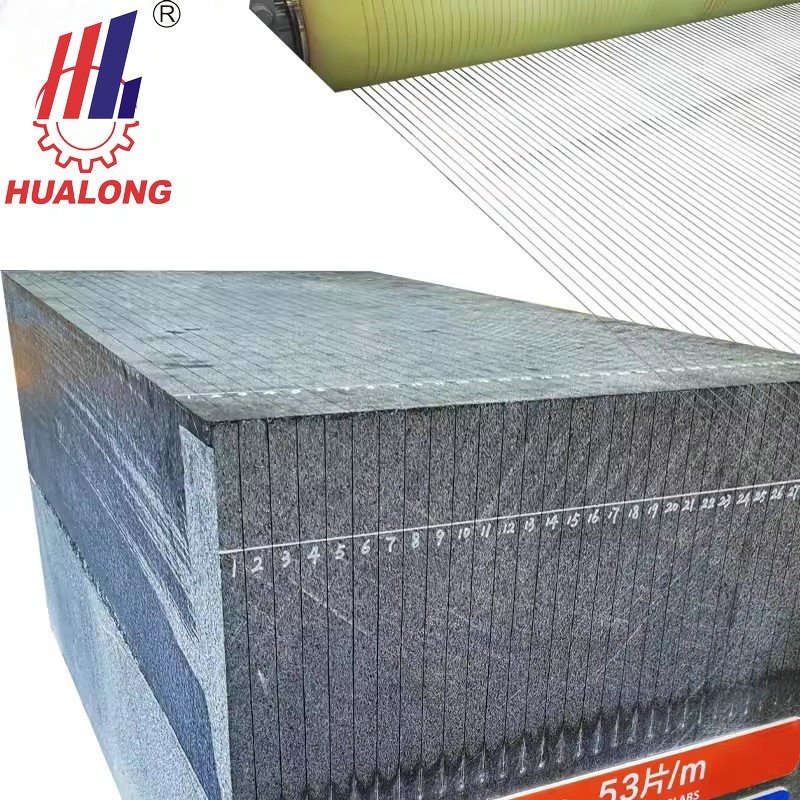
Cutting Performance Test
Once the external, mechanical, and electrical inspections are complete, it is time to conduct a cutting performance test. This test will help you determine if the multiwire machine is functioning as expected.
Prepare a sample material, such as granite. Multi Wire Machine for Granite is specifically designed for cutting granite materials. Place the sample material on the machine's cutting table and adjust the cutting parameters according to the material's specifications.
Start the machine and observe the cutting process. Pay attention to the cutting speed, the quality of the cuts, and the operation of the wires. The cuts should be smooth and accurate, without any jagged edges or excessive chipping. If you notice any irregularities during the cutting process, it may indicate a problem with the machine. Diamond Wire Saw Cutting technology is commonly used in multiwire machines, and the performance of the diamond - wire should be carefully evaluated.
Documentation and Follow - up
During the inspection process, it is important to document all the findings. Keep a detailed record of any defects, repairs, or adjustments made to the machine. This documentation will be useful for future maintenance and troubleshooting.
If any issues are found during the inspection, contact the manufacturer or supplier immediately. As a multiwire machine supplier, we are committed to providing excellent after - sales service. Our technical support team can assist you in resolving any problems and ensuring that your multiwire machine operates at its best.
In conclusion, inspecting a newly purchased multiwire machine is an essential process that should not be overlooked. By following the steps outlined in this blog post, you can identify any potential issues early and ensure that your Multiwire Machine is in optimal condition. If you are considering purchasing a multiwire machine or need further assistance with the inspection process, please feel free to contact our team for professional advice and guidance.
References
- Manufacturer's user manual of the multiwire machine
- Industry standards for multiwire machine inspection and maintenance