

Hey there! I'm from a gang saw supplier, and today I'm gonna walk you through the process of replacing a broken blade on a gang saw. It might seem like a daunting task, but with the right steps and a bit of know - how, you'll have your gang saw up and running in no time.
Why Replace a Broken Blade?
First off, let's talk about why it's so important to replace a broken blade. A broken blade can lead to uneven cuts, which means you won't get the quality you're aiming for when using a Gang Saw Cutting Machine. It can also put extra stress on the other parts of the gang saw, potentially causing more damage down the line. So, replacing that broken blade is crucial for both the quality of your work and the longevity of your Gang Saw Machine.
Tools You'll Need
Before you start, gather the necessary tools. You'll need a wrench to loosen and tighten bolts, a measuring tape to ensure proper alignment, and a new blade that's compatible with your gang saw. Make sure the new blade is the right size and type for your specific machine. You don't want to end up with a blade that won't fit or isn't suitable for the material you're cutting.
Step 1: Safety First
Safety should always be your top priority. Before you even think about touching the gang saw, make sure it's turned off and unplugged. This will prevent any accidental starts that could cause serious injury. Also, wear protective gear like safety glasses and gloves to protect yourself from any sharp edges or debris.
Step 2: Remove the Guard
The first physical step is to remove the guard that covers the blade. Usually, there are a few bolts holding it in place. Use your wrench to loosen these bolts and carefully take off the guard. Set it aside in a safe place so you don't lose it. This will give you clear access to the broken blade.
Step 3: Loosen the Blade Tension
Next, you need to loosen the tension on the broken blade. There's usually a tensioning mechanism on the gang saw. It could be a lever or a screw. Use your wrench to adjust this mechanism and relieve the tension on the blade. As you do this, be careful not to let the blade snap back suddenly, as it could cause injury.
Step 4: Remove the Broken Blade
Once the tension is off, you can remove the broken blade. There are usually clamps or fasteners holding the blade in place. Loosen these using your wrench and gently slide the broken blade out. Be careful not to damage the saw's frame or any other parts while you're doing this.
Step 5: Inspect the Saw
While the blade is out, take a few minutes to inspect the saw. Look for any signs of damage or wear on the frame, pulleys, or other components. If you notice any issues, it's a good idea to address them now before you install the new blade. This will help ensure that your gang saw operates smoothly.
Step 6: Install the New Blade
Now it's time to install the new blade. Carefully place the new blade in the correct position, making sure it aligns with the pulleys and other components. Use your measuring tape to double - check the alignment. Then, start tightening the clamps or fasteners to hold the blade in place. Make sure they're tight enough to prevent the blade from slipping during operation.
Step 7: Adjust the Blade Tension
After the blade is installed, you need to adjust the tension. Use the tensioning mechanism again to gradually increase the tension on the blade. You want the blade to be tight enough to cut effectively but not so tight that it causes excessive stress on the saw. A good way to check is to pluck the blade like a guitar string. It should have a clear, firm sound.
Step 8: Reattach the Guard
Once the blade is properly installed and tensioned, reattach the guard. Line it up with the saw and use your wrench to tighten the bolts. Make sure the guard is securely in place to protect you during operation.
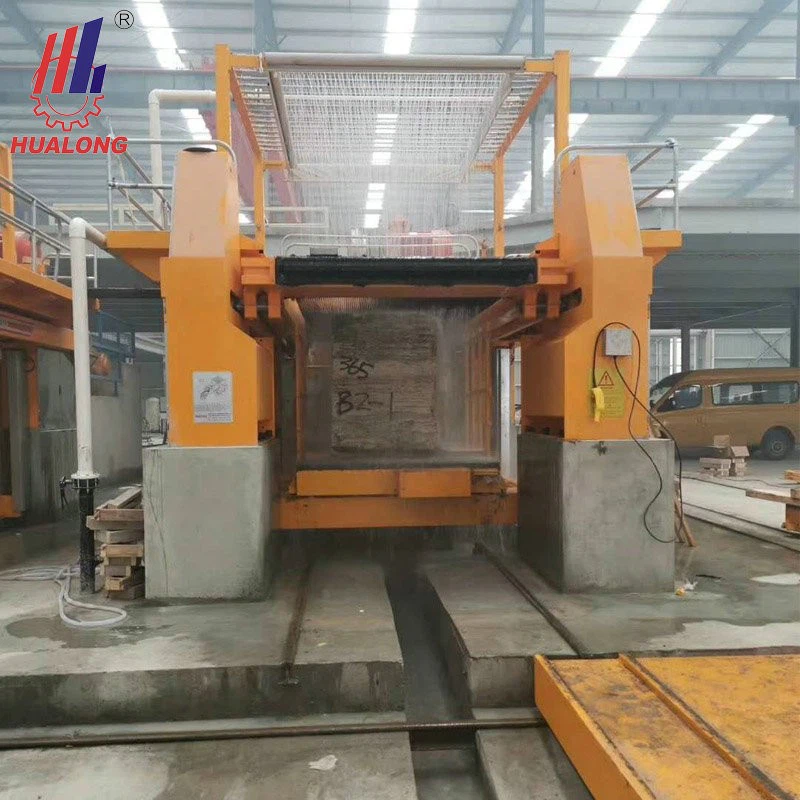

Step 9: Test the Saw
Before you start using the gang saw for real - world cutting, it's important to test it. Plug in the saw and turn it on at a low speed. Listen for any unusual noises or vibrations. If everything sounds and feels okay, you can gradually increase the speed and make a few test cuts on a scrap piece of material. This will help you ensure that the new blade is working properly.
Benefits of a Properly Replaced Blade
When you replace a broken blade correctly, you'll notice a significant improvement in the performance of your Gang Saw Cut Stone. The cuts will be cleaner and more precise, which means better quality products. You'll also reduce the risk of further damage to the saw, saving you time and money in the long run.
Contact Us for Your Gang Saw Needs
If you're in the market for a new gang saw or need replacement blades, we're here to help. As a leading gang saw supplier, we offer high - quality products and expert advice. Whether you're a small - scale workshop or a large industrial operation, we have the right solutions for you. Don't hesitate to reach out to us for more information or to discuss your specific requirements.
References
- General knowledge of gang saw operation and maintenance from industry experience.
- Manufacturer's manuals for common gang saw models.