

Selecting the appropriate wire diameter for a multi - wire sawing machine is a crucial decision that can significantly impact the efficiency, quality, and cost - effectiveness of the cutting process. As a supplier of multi - wire sawing machines, I've witnessed firsthand the importance of this choice in various industries, from stone cutting to semiconductor manufacturing. In this blog post, I'll share some insights on how to make the right decision when it comes to wire diameter selection.
Understanding the Basics of Multi - Wire Sawing
Before delving into wire diameter selection, it's essential to understand how multi - wire sawing machines work. These machines use multiple wires simultaneously to cut through materials. The wires are usually coated with abrasive particles, such as diamonds, which do the actual cutting. The sawing process involves the wires moving in a reciprocating or continuous loop, while the material to be cut is fed towards the wires.
The performance of a multi - wire sawing machine depends on several factors, including the type of material being cut, the required cutting speed, the surface finish of the cut, and the overall cost of the operation. The wire diameter plays a vital role in all these aspects.
Factors Affecting Wire Diameter Selection
Material Properties
The type of material being cut is one of the most significant factors in determining the appropriate wire diameter. Different materials have different hardness, toughness, and brittleness, which require different wire characteristics.
- Hard Materials: For hard materials like granite or silicon carbide, a thicker wire with a larger diameter is often preferred. A thicker wire can withstand the high cutting forces generated when cutting hard materials without breaking easily. For example, when using a Multi Wire Machine for Granite, a wire diameter in the range of 0.5 - 1.2 mm might be suitable. The larger diameter provides more strength and durability, allowing the wire to cut through the hard granite efficiently.
- Soft Materials: In contrast, soft materials such as aluminum or some types of plastics can be cut with thinner wires. Thinner wires can achieve higher cutting speeds and produce a smoother surface finish. A wire diameter of 0.1 - 0.3 mm may be sufficient for cutting soft materials, as the cutting forces are relatively low.
Cutting Speed
The desired cutting speed also influences the wire diameter selection. Generally, thinner wires can move at higher speeds because they have less mass and inertia. However, thinner wires may not be able to withstand high cutting forces for extended periods.
- High - Speed Cutting: If high - speed cutting is the priority, a thinner wire should be considered. For instance, in the semiconductor industry, where fast and precise cutting is crucial, thin wires with diameters as small as 0.05 mm are commonly used. These thin wires can move quickly through the semiconductor material, reducing the cutting time.
- Slow - Speed Cutting: When cutting hard or thick materials, a slower cutting speed is often necessary. In this case, a thicker wire can be used to ensure the wire doesn't break under the high cutting forces. The slower speed allows the thicker wire to gradually cut through the material without excessive wear or breakage.
Surface Finish Requirements
The required surface finish of the cut material is another important factor. Thinner wires tend to produce a smoother surface finish because they create smaller kerfs (the width of the cut).
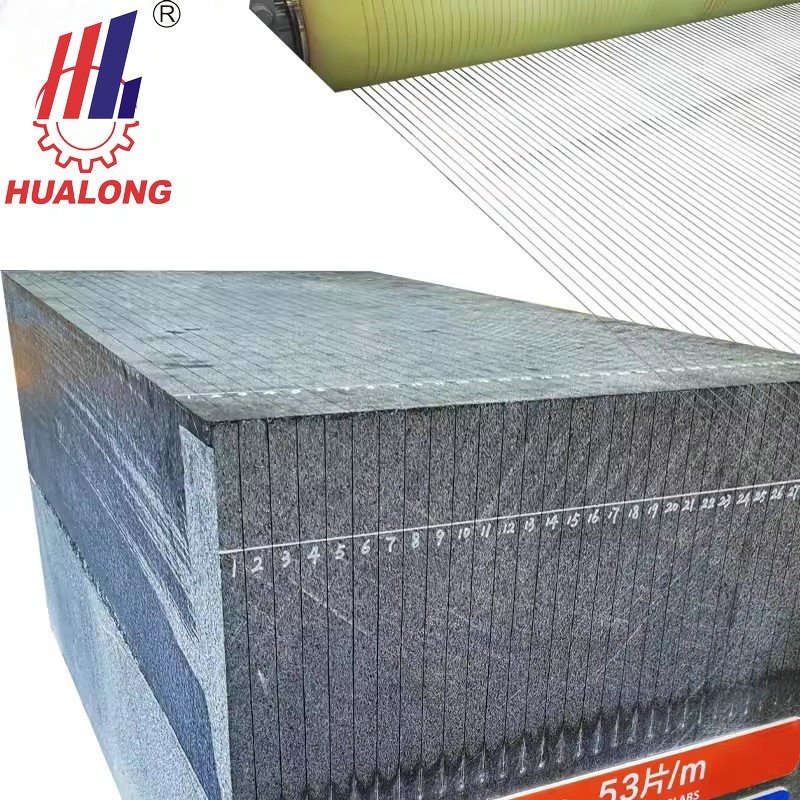

- Smooth Surface Finish: If a smooth surface finish is required, such as in the production of precision components or decorative stone slabs, a thinner wire should be selected. For example, when using a Multi Wire Saw Machine For Stone Slabs Cutting to produce high - quality stone slabs for architectural applications, a thin wire can help achieve a fine and even surface.
- Rough Surface Finish: In applications where a rough surface finish is acceptable, such as in some construction projects where the cut material will be further processed, a thicker wire can be used. Thicker wires are more durable and can cut through the material more quickly, even if the surface finish is not as smooth.
Cost Considerations
Cost is always a factor in any manufacturing process. Thicker wires are generally more expensive than thinner wires because they require more raw material. However, they also tend to have a longer lifespan, especially when cutting hard materials.
- Long - Term Cost: When considering the long - term cost, it's important to balance the initial cost of the wire with its expected lifespan. A thicker wire may have a higher upfront cost, but if it can cut more material before needing to be replaced, it may be more cost - effective in the long run.
- Short - Term Cost: For short - term projects or when cutting soft materials, a thinner wire may be a more economical choice. The lower initial cost of the thinner wire can offset the potentially shorter lifespan.
Practical Guidelines for Wire Diameter Selection
Conduct Material Testing
Before making a final decision on the wire diameter, it's advisable to conduct material testing. This involves using different wire diameters on a small sample of the material to be cut. By comparing the cutting performance, surface finish, and wire wear, you can determine the most suitable wire diameter for your specific application.
Consult with Experts
As a multi - wire sawing machine supplier, I recommend consulting with experts in the field. Our team has extensive experience in different cutting applications and can provide valuable advice on wire diameter selection. We can also offer technical support and guidance throughout the cutting process.
Consider the Machine's Capabilities
The capabilities of the multi - wire sawing machine itself also need to be considered. Some machines are designed to work with specific wire diameters, and using an inappropriate wire diameter may affect the machine's performance or even cause damage. Make sure to check the machine's manual or consult with the manufacturer to determine the recommended wire diameter range for your machine.
The Role of Multi Diamond Wire Machine
A Multi Diamond Wire Machine is a specialized type of multi - wire sawing machine that uses diamond - coated wires. Diamond - coated wires are highly effective for cutting hard materials due to the extreme hardness of diamond.
- Versatility: These machines can be used with a wide range of wire diameters, depending on the application. For cutting hard stones like granite or marble, a diamond - coated wire with a relatively thick diameter can be used to ensure efficient cutting and long wire life. For more delicate applications, such as cutting semiconductor wafers, a thinner diamond - coated wire can be employed for high - precision cutting.
- Performance: The performance of a multi - diamond wire machine is greatly influenced by the wire diameter. A well - selected wire diameter can optimize the cutting speed, surface finish, and overall cost of the operation.
Conclusion
Selecting the appropriate wire diameter for a multi - wire sawing machine is a complex decision that requires careful consideration of multiple factors, including material properties, cutting speed, surface finish requirements, and cost. By understanding these factors and following the practical guidelines outlined in this blog post, you can make an informed decision that will improve the efficiency and quality of your cutting process.
If you're in the market for a multi - wire sawing machine or need further advice on wire diameter selection, we're here to help. Our team of experts can provide you with detailed information and support to ensure you choose the right equipment and wire for your specific application. Contact us today to start a discussion about your multi - wire sawing needs and explore how we can help you achieve the best results.
References
- Smith, J. (2018). "Advanced Cutting Technologies in Manufacturing". Elsevier.
- Johnson, R. (2020). "Wire Sawing: Principles and Applications". Springer.