

What is the cutting temperature control of a Gang Saw Cutting Machine?
As a supplier of Gang Saw Cutting Machine, I've witnessed firsthand the crucial role that cutting temperature control plays in the operation of these machines. In this blog post, I'll delve into the significance of cutting temperature control, how it impacts the performance of a Gang Saw Cutting Machine, and the methods used to achieve optimal temperature regulation.
The Importance of Cutting Temperature Control
Cutting temperature control is a fundamental aspect of operating a Gang Saw Cutting Machine. When the saw blade cuts through stone, friction is generated between the blade and the material, which in turn produces heat. If this heat is not properly managed, it can lead to a range of issues that can affect the quality of the cut, the lifespan of the blade, and the overall performance of the machine.
One of the primary concerns with excessive cutting temperatures is the potential for blade damage. High temperatures can cause the blade to warp, lose its sharpness, or even break. This not only results in costly blade replacements but also disrupts the cutting process and can lead to inconsistent cuts. Additionally, overheating can cause the stone being cut to crack or chip, reducing the quality of the finished product.
Another important aspect of cutting temperature control is its impact on the efficiency of the cutting process. When the temperature is too high, the blade may become less effective at cutting through the stone, requiring more power and time to complete the cut. This can increase energy consumption and reduce productivity, ultimately affecting the bottom line of the operation.
Factors Affecting Cutting Temperature
Several factors can influence the cutting temperature of a Gang Saw Cutting Machine. Understanding these factors is essential for implementing effective temperature control strategies.
- Blade Speed: The speed at which the saw blade rotates can have a significant impact on the cutting temperature. Higher blade speeds generally result in more friction and heat generation. However, increasing the blade speed can also improve cutting efficiency, so finding the right balance is crucial.
- Feed Rate: The feed rate, or the speed at which the stone is fed into the saw blade, also affects the cutting temperature. A higher feed rate can increase the amount of friction and heat generated, while a lower feed rate may result in a more controlled cutting process.
- Coolant Usage: Coolants are commonly used in Gang Saw Cutting Machines to reduce the cutting temperature. Coolants help to dissipate heat, lubricate the blade, and prevent the buildup of debris. The type and amount of coolant used can have a significant impact on the effectiveness of temperature control.
- Stone Type and Hardness: Different types of stone have different hardness levels, which can affect the cutting temperature. Harder stones generally require more force to cut through, resulting in more friction and heat generation. Additionally, some stones may be more prone to cracking or chipping at high temperatures.
Methods of Cutting Temperature Control
To effectively control the cutting temperature of a Gang Saw Cutting Machine, several methods can be employed.
- Coolant Systems: One of the most common methods of temperature control is the use of coolant systems. Coolants, such as water or oil, are circulated through the cutting area to absorb and dissipate heat. Coolant systems can be designed to spray the coolant directly onto the blade or to flood the cutting area. The type of coolant used and the flow rate of the coolant system can be adjusted to achieve optimal temperature control.
- Blade Design: The design of the saw blade can also play a role in temperature control. Blades with a larger number of teeth or a more aggressive tooth geometry can generate more heat during cutting. However, blades with a smaller number of teeth or a less aggressive tooth geometry may be more efficient at cutting and generate less heat. Additionally, some blades are designed with special coatings or materials that can help to reduce friction and heat generation.
- Cutting Parameters: Adjusting the cutting parameters, such as the blade speed and feed rate, can also help to control the cutting temperature. By reducing the blade speed or feed rate, the amount of friction and heat generated can be decreased. However, it's important to find the right balance between cutting efficiency and temperature control to ensure optimal performance.
- Monitoring and Feedback: Regular monitoring of the cutting temperature is essential for effective temperature control. Temperature sensors can be installed on the saw blade or in the cutting area to measure the temperature. This data can be used to adjust the cutting parameters or the coolant system to maintain the desired temperature. Additionally, feedback from operators can provide valuable insights into the cutting process and help to identify any issues that may be affecting the cutting temperature.
Impact on Gang Saw Cut Stone and Marble Gangsaw Machine
Proper cutting temperature control is particularly important for Gang Saw Cut Stone and Marble Gangsaw Machine. These machines are used to cut a variety of stones, including marble, granite, and limestone, which can be sensitive to high temperatures.

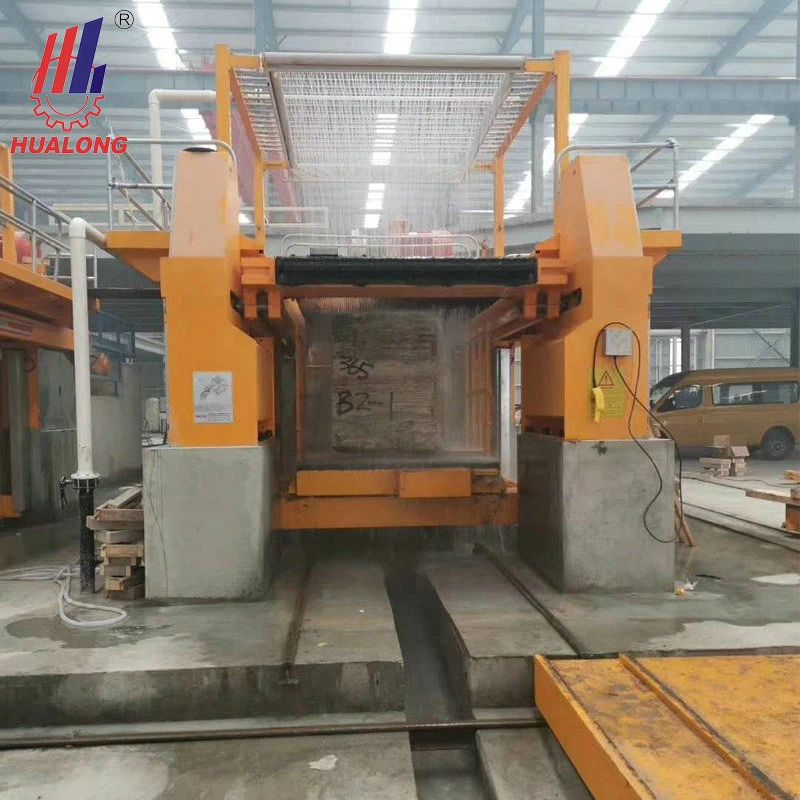
In the case of marble, excessive cutting temperatures can cause the stone to discolor or develop cracks. This can significantly reduce the value of the finished product. By controlling the cutting temperature, the quality of the cut can be improved, and the risk of damage to the stone can be minimized.
For Marble Gangsaw Machine, cutting temperature control is essential for maintaining the performance and lifespan of the machine. High temperatures can cause the saw blade to wear out more quickly, leading to increased maintenance costs and downtime. By implementing effective temperature control strategies, the efficiency and reliability of the machine can be improved, resulting in a more profitable operation.
Conclusion
Cutting temperature control is a critical aspect of operating a Gang Saw Cutting Machine. By understanding the factors that affect cutting temperature and implementing effective temperature control strategies, the quality of the cut, the lifespan of the blade, and the overall performance of the machine can be improved. As a supplier of Gang Saw Cutting Machine, I'm committed to providing our customers with the knowledge and resources they need to achieve optimal cutting temperature control.
If you're interested in learning more about our Gang Saw Cutting Machine or have any questions about cutting temperature control, please don't hesitate to contact us. We'd be happy to discuss your specific needs and provide you with a customized solution.
References
- Smith, J. (2020). "Cutting Temperature Control in Stone Cutting Machines." Journal of Stone Cutting Technology, 15(2), 45-52.
- Johnson, R. (2019). "The Impact of Cutting Temperature on Saw Blade Performance." International Journal of Machine Tools and Manufacture, 87, 1-10.
- Brown, A. (2018). "Coolant Systems for Stone Cutting Machines." Stone Industry Magazine, 22(3), 67-72.