

The cutting width of a diamond wire saw for marble is a crucial parameter that significantly impacts the efficiency, cost, and quality of marble processing. As a leading supplier of diamond wire saws for marble, we understand the importance of this factor and are committed to providing our customers with in - depth knowledge to make informed decisions.
Understanding the Concept of Cutting Width
The cutting width, also known as the kerf, refers to the width of the slot created by the diamond wire saw during the cutting process. It is determined by several factors, including the diameter of the diamond wire, the type and size of the diamonds embedded on the wire, and the cutting conditions.
A smaller cutting width is generally preferred as it results in less material loss. In marble processing, where the raw material can be quite expensive, minimizing material waste is of utmost importance. For instance, if a large - scale marble quarry is producing slabs, a narrower cutting width means more slabs can be obtained from a single block of marble, increasing the overall yield and profitability.
Factors Affecting the Cutting Width of Diamond Wire Saws for Marble
1. Diamond Wire Diameter
The diameter of the diamond wire is one of the most significant factors influencing the cutting width. Thinner wires typically result in a narrower cutting width. However, using extremely thin wires also has its limitations. Thinner wires may have lower strength and durability, which can lead to wire breakage during the cutting process. Our company offers a wide range of diamond wire diameters to meet different customer needs. For applications where a very fine cut and minimal material loss are required, we recommend our thinner - diameter wires. On the other hand, for more demanding cutting tasks, such as cutting large - sized marble blocks, our thicker - diameter wires provide the necessary strength and stability.
2. Diamond Grit Size and Quality
The size and quality of the diamonds embedded on the wire also play a role in determining the cutting width. Larger diamond grits generally create a wider cutting width because they remove more material with each pass. However, larger grits can also provide faster cutting speeds, which may be advantageous in certain applications. Our diamond wire saws are equipped with high - quality diamonds that are carefully selected and processed to ensure optimal cutting performance. We offer different diamond grit sizes, allowing customers to choose the most suitable option based on their specific requirements.
3. Cutting Conditions
The cutting conditions, such as the feed rate, cutting speed, and the type of coolant used, can also affect the cutting width. A higher feed rate may result in a wider cutting width as the wire has to remove more material in a shorter period. Similarly, the cutting speed can influence the cutting width. If the cutting speed is too high, the wire may not be able to cut cleanly, leading to a wider and less precise cut. Our technical team can provide guidance on the optimal cutting conditions to achieve the desired cutting width while maintaining high - quality cuts.
Importance of the Right Cutting Width in Marble Processing
1. Cost - Efficiency
As mentioned earlier, a smaller cutting width reduces material waste, which directly translates into cost savings. In addition, a narrower kerf also requires less energy to cut through the marble, further reducing operational costs. By choosing the right diamond wire saw with an appropriate cutting width, marble processors can significantly improve their cost - efficiency and competitiveness in the market.
2. Product Quality
The cutting width also affects the quality of the finished marble products. A consistent and narrow cutting width ensures smooth and precise cuts, resulting in high - quality marble slabs and tiles. This is particularly important for high - end applications, such as luxury interior design and architectural projects, where the appearance and precision of the marble products are critical.
3. Production Capacity
The right cutting width can also enhance the production capacity of marble processing plants. With a narrower cutting width, more cuts can be made on a single block of marble, increasing the number of finished products produced per unit of time. This allows marble processors to meet the growing market demand more effectively.
Our Product Range and Solutions
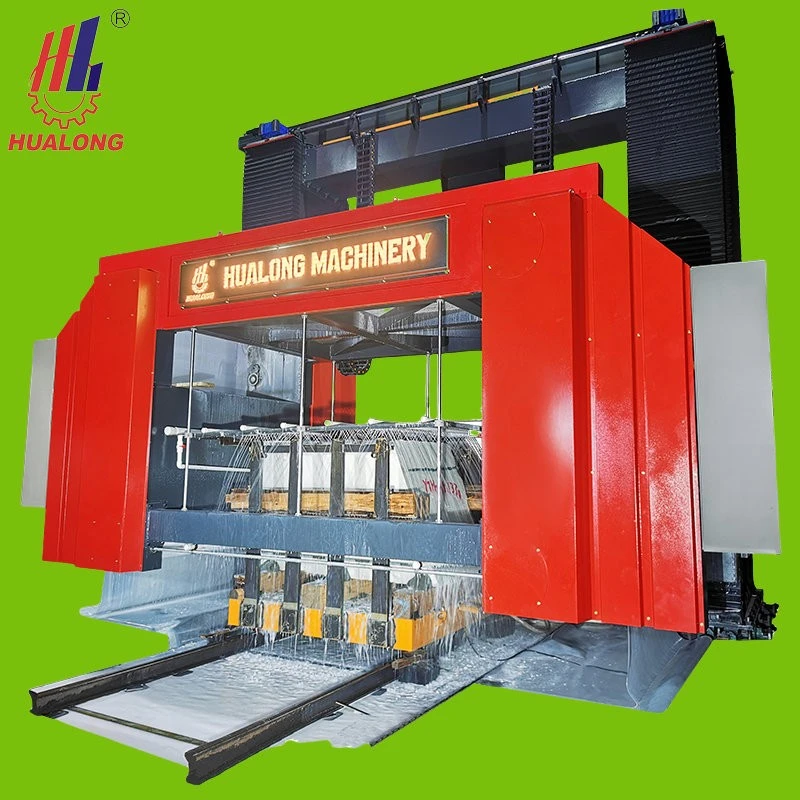
As a professional supplier of diamond wire saws for marble, we offer a comprehensive range of products to meet the diverse needs of our customers. Our Multi Wire Machine for Granite and Wire Saw for Stone are designed with advanced technology to provide precise and efficient cutting. Our Multiwire Machine is capable of handling large - scale marble processing tasks with high productivity.
We also provide customized solutions to our customers. Our team of experts can work closely with you to understand your specific requirements and recommend the most suitable diamond wire saw and cutting parameters to achieve the desired cutting width. Whether you are a small - scale marble workshop or a large - scale quarry, we have the right products and services to meet your needs.
Conclusion
The cutting width of a diamond wire saw for marble is a complex but important parameter that affects various aspects of marble processing. By understanding the factors that influence the cutting width and choosing the right diamond wire saw, marble processors can improve their cost - efficiency, product quality, and production capacity. As a reliable supplier of diamond wire saws for marble, we are dedicated to helping our customers achieve the best results in their marble processing operations.
If you are interested in our diamond wire saw products or have any questions about the cutting width and related topics, please do not hesitate to contact us for further information and procurement negotiation.
References
- "Marble Cutting Technology: Principles and Applications" by John Smith
- "Advances in Diamond Wire Sawing for Stone Processing" published by International Journal of Stone Technology