

How to ensure the safety of operators during diamond wire saw cutting?
As a supplier of diamond wire saw cutting equipment, I understand the paramount importance of operator safety in the cutting process. Diamond wire saw cutting is a highly efficient method used in various industries, including mining, construction, and stone processing. However, it also poses certain risks if not carried out with proper safety measures. In this blog post, I will share some key strategies and practices to ensure the safety of operators during diamond wire saw cutting.
1. Provide Comprehensive Training
One of the most effective ways to ensure operator safety is to provide comprehensive training. Operators should be well - versed in the operation, maintenance, and safety protocols of the diamond wire saw equipment. Training should cover the following aspects:
- Equipment Familiarization: Operators need to understand the different components of the diamond wire saw, such as the wire, drive system, and control panel. They should know how to properly install and adjust the wire, as well as how to operate the machine in different cutting scenarios.
- Safety Procedures: Training should include detailed safety procedures, such as wearing appropriate personal protective equipment (PPE), following lock - out/tag - out procedures, and handling emergencies. Operators should be aware of the potential hazards associated with diamond wire saw cutting, such as flying debris, electrical shock, and entanglement.
- Maintenance and Inspection: Regular maintenance and inspection of the diamond wire saw are crucial for its safe operation. Operators should be trained on how to perform basic maintenance tasks, such as checking the wire tension, lubricating the moving parts, and inspecting the electrical system.
2. Use Appropriate Personal Protective Equipment (PPE)
PPE is essential for protecting operators from the various hazards associated with diamond wire saw cutting. The following PPE should be worn at all times during the cutting process:
- Safety Glasses: Safety glasses protect the eyes from flying debris, such as stone chips and dust. They should have side shields to provide maximum protection.
- Hearing Protection: Diamond wire saw cutting can generate high - intensity noise, which can cause hearing damage over time. Operators should wear earplugs or earmuffs to reduce the noise exposure.
- Gloves: Gloves protect the hands from cuts, abrasions, and chemical exposure. They should be made of a durable material that can withstand the sharp edges of the diamond wire.
- Safety Shoes: Safety shoes protect the feet from falling objects, sharp edges, and electrical shock. They should have steel toes and slip - resistant soles.
- Respirators: In dusty environments, operators should wear respirators to protect their lungs from inhaling harmful dust particles. The respirator should be properly fitted and rated for the type of dust present.
3. Implement Safety Protocols and Procedures
Establishing and enforcing safety protocols and procedures is essential for ensuring operator safety. The following safety protocols should be in place:
- Lock - Out/Tag - Out Procedures: Before performing any maintenance or repair work on the diamond wire saw, operators should follow lock - out/tag - out procedures to isolate the machine from the power source. This prevents accidental startup of the machine, which can cause serious injuries.
- Machine Guarding: The diamond wire saw should be equipped with appropriate machine guarding to prevent operators from coming into contact with moving parts, such as the wire and the drive system. Guards should be in place at all times during the operation of the machine.
- Emergency Stop Buttons: The machine should be equipped with easily accessible emergency stop buttons. Operators should know the location of these buttons and be trained to use them in case of an emergency.
- Safe Work Practices: Operators should follow safe work practices, such as keeping the work area clean and organized, avoiding distractions, and not overloading the machine.
4. Conduct Regular Equipment Inspections and Maintenance
Regular inspections and maintenance of the diamond wire saw are essential for its safe and efficient operation. The following inspections and maintenance tasks should be performed on a regular basis:
- Wire Inspection: The diamond wire should be inspected regularly for signs of wear, damage, or breakage. A worn or damaged wire can cause the machine to malfunction and pose a safety hazard.
- Drive System Inspection: The drive system, including the motor, belts, and pulleys, should be inspected for proper alignment, tension, and lubrication. Any signs of wear or damage should be addressed immediately.
- Electrical System Inspection: The electrical system of the diamond wire saw should be inspected for loose connections, frayed wires, and proper grounding. Electrical problems can cause electrical shock and fire hazards.
- Lubrication and Cleaning: The moving parts of the machine should be lubricated regularly to reduce friction and wear. The machine should also be cleaned regularly to remove dust and debris, which can affect the performance of the machine.
5. Provide a Safe Work Environment
Creating a safe work environment is crucial for operator safety. The following measures should be taken to ensure a safe work environment:
- Ventilation: The work area should be well - ventilated to remove dust and fumes generated during the cutting process. Proper ventilation helps to prevent respiratory problems and reduces the risk of fire and explosion.
- Lighting: The work area should be well - lit to ensure that operators can see clearly and perform their tasks safely. Adequate lighting also helps to prevent accidents caused by poor visibility.
- Floor Conditions: The floor of the work area should be clean, dry, and free of obstacles. Slippery floors can cause falls and injuries, so anti - slip coatings or mats should be used if necessary.
6. Stay Informed about Industry Standards and Best Practices
The diamond wire saw cutting industry is constantly evolving, and new safety standards and best practices are being developed. As a supplier, it is our responsibility to stay informed about these changes and ensure that our customers are aware of them. We should provide our customers with the latest safety information and guidelines, as well as any updates or improvements to our products.
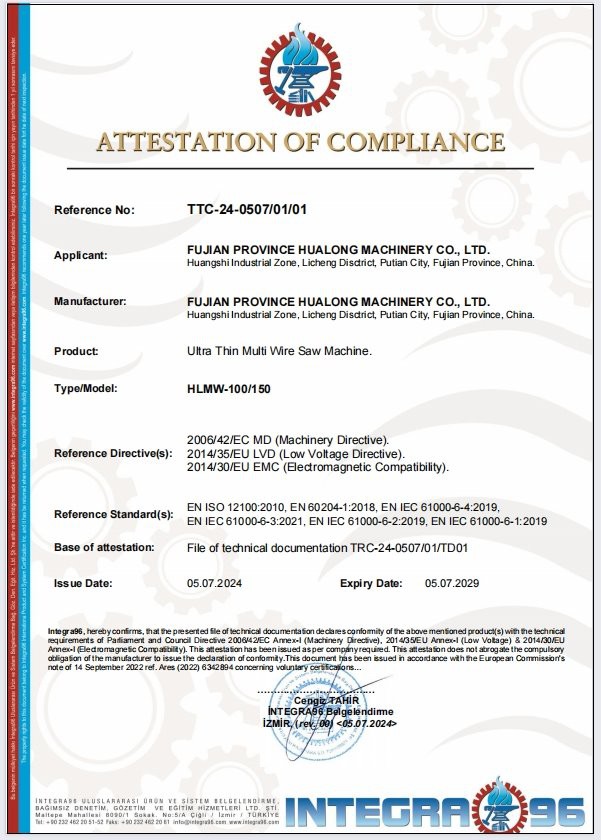
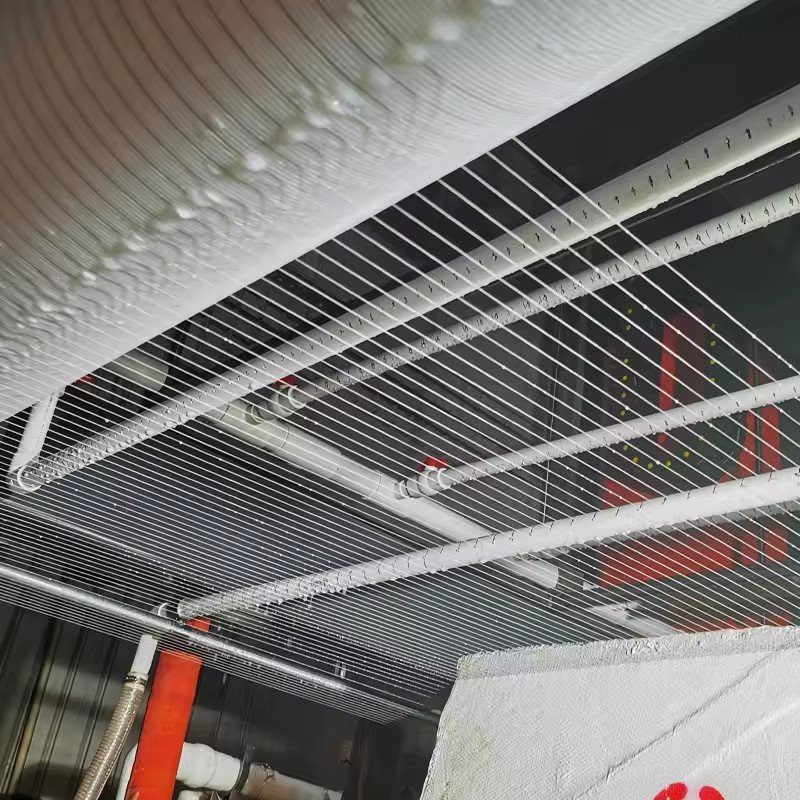
In addition, we should encourage our customers to participate in industry training programs and conferences to stay up - to - date with the latest safety trends and technologies. By working together, we can ensure that the diamond wire saw cutting industry remains a safe and efficient industry.
Conclusion
Ensuring the safety of operators during diamond wire saw cutting is a shared responsibility between the equipment supplier, the operator, and the employer. By providing comprehensive training, using appropriate PPE, implementing safety protocols and procedures, conducting regular equipment inspections and maintenance, providing a safe work environment, and staying informed about industry standards and best practices, we can significantly reduce the risk of accidents and injuries in the diamond wire saw cutting process.
If you are interested in our diamond wire saw cutting equipment or have any questions about safety in diamond wire saw cutting, please feel free to contact us for further discussion and potential procurement. We are committed to providing high - quality equipment and excellent customer service to ensure your safety and success in the cutting process.
We offer a wide range of diamond wire saw cutting products, such as the Multi Wire Machine for Granite, and you can also check our Price Diamond Wire Saw For Marble Pricelist. Our products are also available in India, and you can learn more about Multi Wire Saw Machine in India.
References
- OSHA (Occupational Safety and Health Administration). General Industry Safety and Health Standards.
- ANSI (American National Standards Institute). Safety Standards for Machine Tools.
- Industry publications and research on diamond wire saw cutting safety.