

The cutting smoothness of a wire saw for stone is a crucial factor that determines the quality and efficiency of stone cutting operations. As a leading supplier of wire saws for stone, I've witnessed firsthand how this characteristic can make or break a project. In this blog, I'll delve into what cutting smoothness means, the factors influencing it, and why it matters in the stone - cutting industry.
What is Cutting Smoothness?
Cutting smoothness refers to the ability of a wire saw to make a clean, even cut through the stone without causing significant surface irregularities, chipping, or rough edges. A smooth - cutting wire saw leaves behind a surface that requires minimal post - processing, such as grinding or polishing, to achieve the desired finish. This is in contrast to a saw that produces a jagged or uneven cut, which can lead to increased labor and material costs to correct the imperfections.
When a wire saw cuts smoothly, it follows a consistent path through the stone, maintaining a uniform depth and width of the cut. This precision is essential for creating high - quality stone products, such as countertops, tiles, and sculptures. Smooth cuts also enhance the structural integrity of the stone pieces, reducing the risk of breakage during handling and installation.
Factors Influencing Cutting Smoothness
Wire Saw Design
The design of the wire saw plays a significant role in its cutting smoothness. The diameter of the wire, the type of beads used, and the spacing between the beads all affect how the saw interacts with the stone. Thinner wires generally allow for more precise cuts, but they may be more prone to breakage. The beads, which are the cutting elements of the wire saw, come in different materials and shapes. Diamond beads are the most common choice for stone cutting due to their hardness and durability. The shape of the beads can be optimized to improve cutting efficiency and smoothness. For example, some beads are designed with a rounded or tapered profile to reduce friction and prevent chipping.
The spacing between the beads is also critical. If the beads are too close together, they may cause excessive wear on the stone surface and reduce cutting smoothness. On the other hand, if the beads are too far apart, the saw may not be able to cut effectively, resulting in an uneven cut.
Stone Properties
The properties of the stone being cut also have a major impact on cutting smoothness. Different types of stone have varying degrees of hardness, density, and brittleness. Harder stones, such as granite, require more force to cut and are more likely to cause wear on the wire saw. Softer stones, like marble, are generally easier to cut but may be more prone to chipping.
The grain structure of the stone can also affect cutting smoothness. Stones with a uniform grain structure are easier to cut smoothly than those with a heterogeneous or interlocked grain structure. Additionally, the presence of impurities, veins, or cracks in the stone can disrupt the cutting process and lead to uneven cuts.
Operating Conditions
The operating conditions of the wire saw, including the cutting speed, tension, and coolant usage, are crucial for achieving smooth cuts. The cutting speed should be adjusted according to the type of stone and the wire saw design. If the speed is too high, the saw may cause excessive vibration and chipping. If the speed is too low, the cutting process may be inefficient and result in a rough cut.
Proper tension is essential for maintaining the stability of the wire saw during cutting. Insufficient tension can cause the wire to sag or wander, leading to an uneven cut. Excessive tension, on the other hand, can cause the wire to break. Coolant is used to lubricate the wire saw and remove heat and debris from the cutting area. Using the right type and amount of coolant can significantly improve cutting smoothness by reducing friction and preventing the beads from overheating.
Importance of Cutting Smoothness in the Stone - Cutting Industry
Quality of Stone Products
Smooth cuts are essential for producing high - quality stone products. In the production of countertops, for example, a smooth cut ensures a seamless fit and a professional appearance. Rough cuts can lead to gaps between the countertop and the cabinets or sink, which can be both aesthetically unappealing and a source of water leakage.
For stone tiles, smooth cuts are necessary for creating uniform sizes and shapes. This is crucial for achieving a consistent look when the tiles are installed. In the sculpture industry, smooth cuts allow artists to create intricate designs with precision and detail.
Cost - Efficiency
Cutting smoothness can also have a significant impact on cost - efficiency. Smooth cuts reduce the need for post - processing, such as grinding and polishing, which can save time and labor costs. Additionally, smooth cuts minimize the amount of waste generated during the cutting process, as there is less chipping and breakage of the stone. This not only reduces material costs but also has environmental benefits.
Productivity
A wire saw that cuts smoothly can operate more efficiently, leading to increased productivity. Smooth cuts allow for faster cutting speeds without sacrificing quality. This means that more stone can be cut in less time, resulting in higher production volumes. Faster cutting also reduces the overall processing time for stone products, allowing them to reach the market more quickly.
Our Solutions for Optimal Cutting Smoothness
As a supplier of wire saws for stone, we are committed to providing our customers with products that offer excellent cutting smoothness. Our wire saws are designed with the latest technology and high - quality materials to ensure precision and durability. We offer a wide range of wire saws with different diameters, bead types, and bead spacings to meet the specific needs of our customers.
We also provide comprehensive technical support to help our customers optimize their cutting processes. Our team of experts can assist with selecting the right wire saw for the job, adjusting the operating conditions, and troubleshooting any issues that may arise.

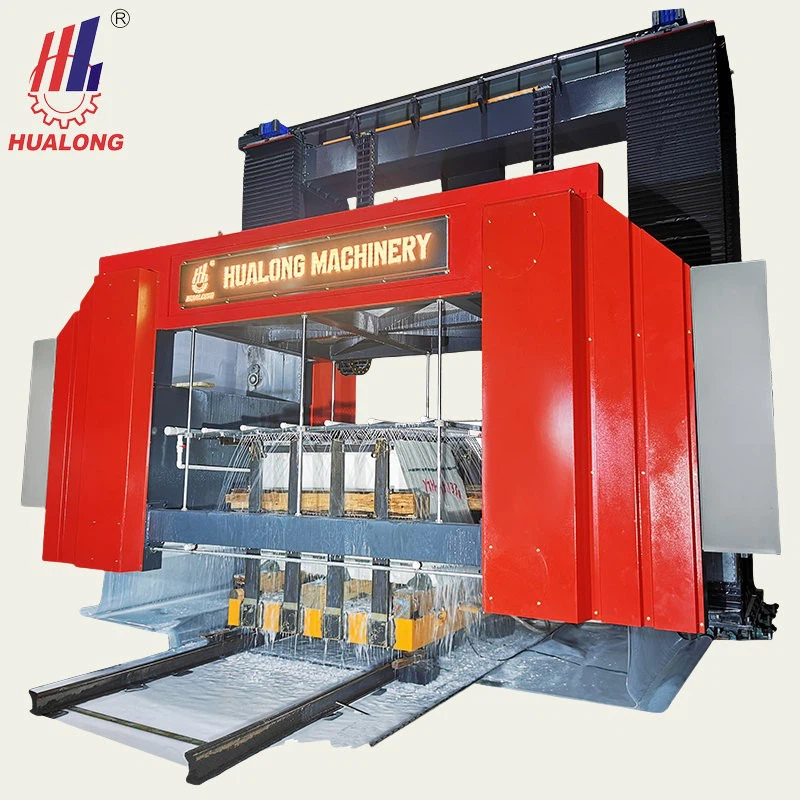
If you are looking for a reliable wire saw for your stone - cutting projects, we invite you to explore our product range. You can find more information about our Multi - wire Saw Machine, which is designed for high - precision cutting. For those interested in cost - effective solutions, our Buy Discount Stone Cutting Wire Saw Machine offers great value for money. And if you are working with granite, our Gang Saw Machine for Granite is specifically designed to handle this tough material.
Conclusion
Cutting smoothness is a vital characteristic of wire saws for stone. It affects the quality, cost - efficiency, and productivity of stone - cutting operations. By understanding the factors that influence cutting smoothness and choosing the right wire saw and operating conditions, stone fabricators can achieve high - quality cuts and produce superior stone products.
If you have any questions or would like to discuss your stone - cutting needs, please feel free to contact us. We are here to help you find the best solutions for your projects.
References
- Smith, J. (2018). Stone Cutting Technology: Principles and Applications. Stone Industry Press.
- Johnson, A. (2019). Advances in Wire Saw Technology for Stone Cutting. Journal of Stone Processing, 25(3), 123 - 135.
- Brown, C. (2020). The Impact of Cutting Smoothness on Stone Product Quality. International Journal of Stone Manufacturing, 32(2), 89 - 98.